Essential Surf Safety Tips for Beginners in Arugam Bay
Essential Surf Safety Tips Every Beginner Must Know
Surfing is one of the most exhilarating sports in the world, but it takes place in an uncontrollable and constantly changing environment. The ocean demands deep respect.
Arugam Bay is famous for its beginner-friendly sandy bottom waves, which makes it significantly safer than reef breaks in Indonesia or Hawaii. However, no beach in the world is immune to strong currents, moving crowds, or the hazards of heavy, flying surfboards.
Whether you are paddling out for your very first surf lesson or renting a board to practice independently at Peanut Farm, understanding the fundamental rules of ocean safety is non-negotiable. Here are the essential surf safety tips every beginner must know to ensure a fun, secure trip in Sri Lanka.
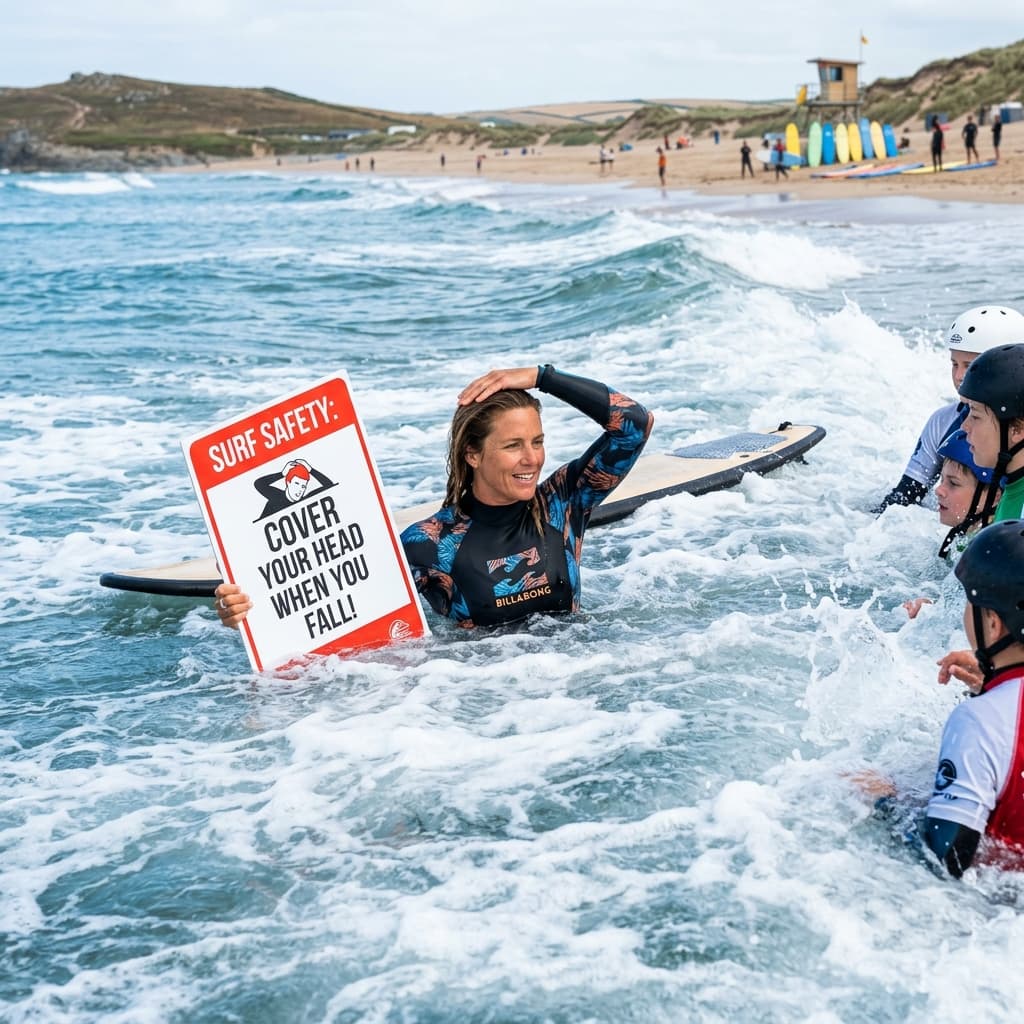
Rule 1: Always Protect Your Head After a Wipeout
The single biggest danger to a beginner surfer is not a shark or a rip current—it is your own surfboard. A 9-foot foam board is heavy, and when caught in the tumbling whitewash of a broken wave, it can hit you with significant force.
The Golden Safety Drill: The absolute moment you lose your balance and begin to fall off your board, cross your arms over your head/face (like a boxer defending a punch), and try to fall as flat as possible. When you resurface from underwater to get a breath of air, do not open your eyes or lower your arms until you physically see where your board is. The leash attached to your leg acts like an elastic rubber band; when the wave pulls the board away, the leash will snap the board violently right back toward your head.
Rule 2: Understanding and Identifying Rip Currents
A rip current is a powerful, narrow channel of fast-moving water heading straight out to the open ocean. It is the ocean's way of returning all the water that the waves just pushed onto the beach.
Rips are responsible for the vast majority of ocean rescues worldwide. They act like a localized river, and they pull incredibly fast.
How to spot them: Rips often look like calm patches of darker water where the waves are not breaking. You might also see foam or debris floating rapidly out to sea. What to do if you are caught:
- DO NOT PANIC. A rip current will not pull you under the water—it only pulls you out. You have a massive floating device attached to you (your surfboard). You will not sink.
- Do not paddle against it. Even Olympic swimmers cannot beat a strong rip. You will only exhaust yourself.
- Paddle parallel. Turn your board 90 degrees and paddle parallel to the beach until you exit the narrow rip channel. Once you are in normal water where the waves are breaking, let the whitewash push you safely back to shore.
Rule 3: The "Hold on to Your Board" Concept
When you are paddling out to the lineup and a huge wall of whitewater approaches, your instinct might be to ditch your surfboard, dive underwater, and save yourself.
Never, ever do this if anyone is behind you. Your leash is roughly 9 feet long, plus your board is 9 feet long. If you ditch your board, you create an 18-foot radius of flying projectile hazard. The wave will catch your abandoned board and slam it into the face of whoever was paddling behind you. The Fix: If you cannot duck-dive or turtle-roll, you must grab the rails of your board tightly, lean your chest flat, take the hit from the whitewash, and hold onto your equipment.
Rule 4: Respecting Local Surf Etiquette (No Dropping In)
Surfing operates on an unwritten global hierarchy designed to prevent collisions. The most important rule in surfing is understanding "Priority."
Only one person can ride a wave at a time. The rule is simple: The surfer who is closest to the breaking part of the wave (the "peak") has priority. If someone is already riding the wave, and you paddle to catch it further down the line, you are "dropping in." This is highly disrespectful and incredibly dangerous because you block their path, almost guaranteeing a collision. Always look over your shoulder toward the peak before you pop up. If you see someone riding toward you, abort the wave immediately.
Rule 5: Knowing Your Limits (Don't Surf Oversized Waves)
Arugam Bay can get very big, especially at Main Point during the peak swells of July and August. If you stand on the beach and feel intimidated by the size or power of the ocean, do not paddle out. It is entirely okay to sit on the beach, drink a king coconut, and watch the advanced surfers.
Pushing your limits is great, but attempting to surf 6-foot waves when you are still struggling to pop up on 2-foot whitewash at Baby Point will result in panic, injury, and a ruined holiday. Read our Arugam Bay Surf Season Guide to manage your expectations before you arrive.
Sun Safety in the Sri Lankan Heat
We cannot emphasize this enough: the sun near the equator is brutal.
- Zinc Oxide: Standard sunscreen washes off in 20 minutes in the surf. You must buy "Zinc"—a thick, usually colored paste—and smear it heavily over your nose, cheeks, and forehead.
- Hydration: You can quickly become severely dehydrated while surfing. Drink at least 1 liter of fresh water before you paddle out.
- Rashies: The skin on your stomach and chest will chafe raw against the wax of the surfboard. A high-quality UPF 50+ rash guard protects you from both the wax and the sun.
Surf Safely with Certified Professionals
The ocean is powerful, but you don't have to navigate it alone. Learning with professional coaches is the single best way to stay safe while catching as many waves as possible.
- Beginner Surf Lessons: Step-by-step coaching in waist-deep sandy water, perfect for building your confidence.
- Private Surf Lessons: Dedicated 1-on-1 supervision from an ISA-certified instructor who stays by your side the entire time.
- 3-Day & 5-Day Surf Camps: Total immersion with theory lessons, safety drills, and daily in-water coaching.
Don't let fear hold you back from the thrill of a lifetime. Contact us today to arrange your lessons and start your surf journey with peace of mind!
Frequently Asked Questions
What should you do if you fall off a surfboard?
The most vital surf safety rule is to cross your arms over your head the moment you fall to protect yourself from your own surfboard hitting you in the turbulent whitewash.
How do you escape a rip current while surfing?
Never panic and never paddle straight against the current toward the shore. Stay on your buoyant surfboard and paddle parallel to the shoreline until you are out of the narrow rip channel, then use the breaking waves to return to the beach.